



Strong and Courageous
Joshua stood at one of history's most intimidating crossroads. Moses was dead. The Promised Land stretched before them, filled with fortified cities and warrior nations. The Israelites looked to him for leadership, but Joshua knew the weight of impossibility pressing on his shoulders.
Extraordinary Purposes
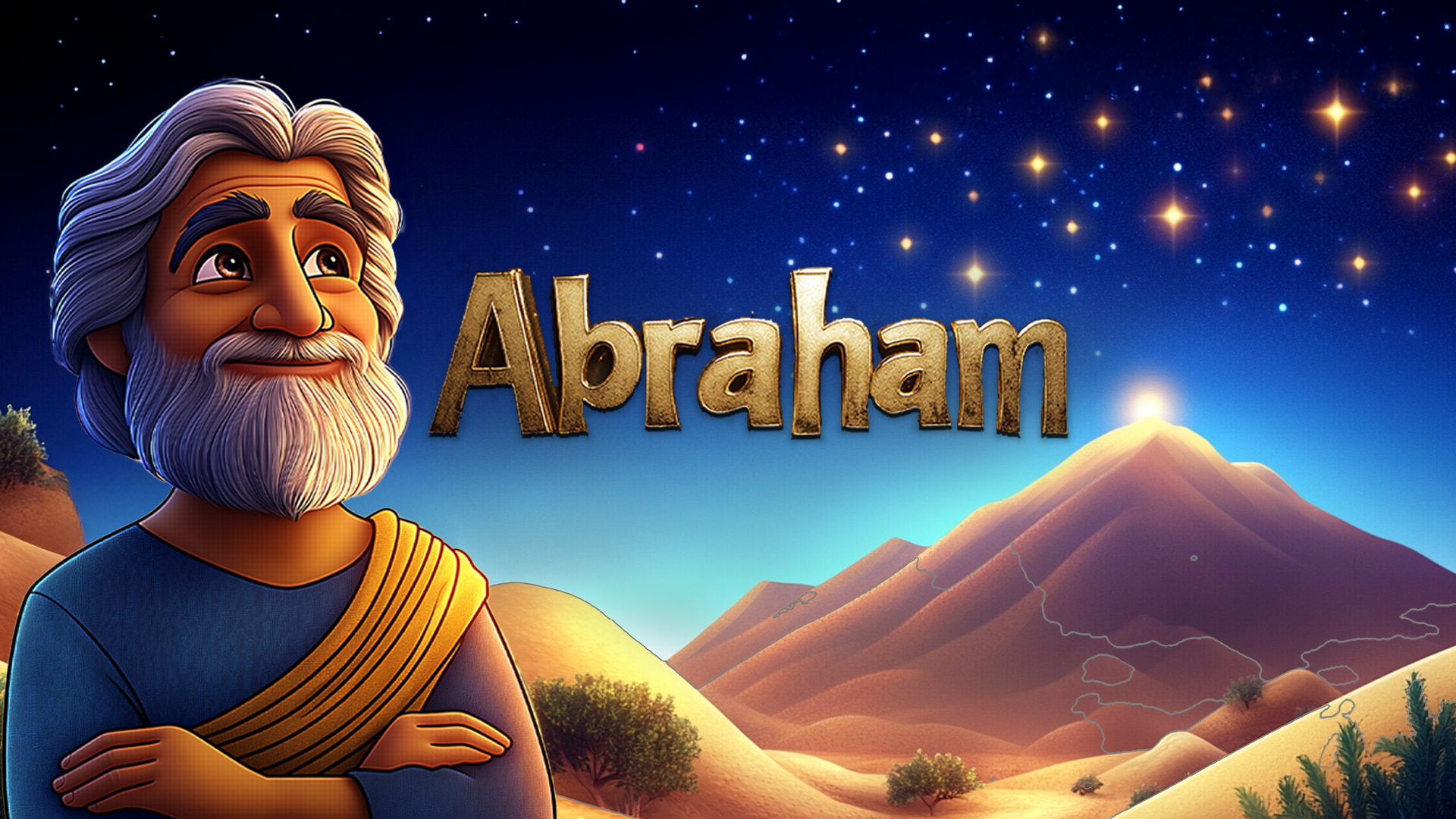
When we first meet Abraham in Scripture, he's not particularly impressive. He's a seventy-five-year-old nomad from a pagan family in ancient Mesopotamia. No special credentials, no obvious qualifications for greatness. Yet God chose this ordinary man to become the father of nations and a cornerstone of faith. Abraham's story reminds us that God delights in using regular people for extraordinary purposes.
He Will Provide
The sun had barely risen when Abraham received the most devastating command of his life. "Take your son, your only son Isaac, whom you love, and go to the region of Moriah. Sacrifice him there as a burnt offering." These words would echo in any parent's mind like a death sentence. Yet Abraham's response reveals something profound about the character that had been forged through decades of walking with God.
The Legacy We Leave
When we refer to the ancestral father of Israel, we call him “Abraham.” But before God established His covenant with Abraham, he was named “Abram.” When Abram was confronted with God’s power and unfailing love, everything about him changed. When we have an authentic encounter with God, we undergo a fundamental transformation. Our identity no longer rests in our reputation or performance. Instead, God’s faithful love becomes the source of our identity. The legacy we leave behind is no longer defined by what we’ve achieved or produced, but by what God has done in, through, and for us. Our lives no longer serve as a testament to our own goodness, but to the steadfast love of an Almighty God.
Count the Stars
Picture this: You're 75 years old when God first promises you'll become the father of a great nation. Now you're pushing 100, still childless, and your wife Sarah has long since stopped laughing at the impossibility of it all—except now she's laughing at it. Your servants whisper behind your back. Your neighbors probably think you've lost your mind. Yet there you stand under a blanket of stars, listening to God repeat the same wild promise He's been making for decades. This is Abram's reality in Genesis 15, and it reveals something profound about what it means to live by faith when everything around you screams that God has forgotten His promises.
Trust and Leap
Have you ever stood at the edge of a diving board, heart pounding, knowing that once you jump there's no going back? That moment when your brain is screaming "This is crazy!" but something deeper whispers "Trust and leap"? That's exactly where we find Abram in Genesis 12—standing at the edge of the biggest decision of his life, with God asking him to jump into a future he couldn't see or control. At 75 years old, this wasn't supposed to be the time for grand adventures, yet here was the Creator of the universe inviting him into the ultimate leap of faith.

Where Are You?
Imagine you've just made the biggest mistake of your life. Your heart pounds as you hear footsteps approaching—someone who trusted you completely is coming to find out what you've done. Your first instinct? Hide. Run. Disappear. This is exactly where we find Adam and Eve in Genesis 3, and their story reveals something profound about human nature and God's incredible heart.
The Big Lie
In His grace, God gives us guidance and guardrails to safeguard us from harm. All He wants is for us to thrive—so He blesses us with commandments that help us truly flourish. In the garden, God gave Adam and Eve one simple rule: to abstain from eating from the Tree of the Knowledge of Good and Evil. In the end, they refused to trust that following God’s command was in their best interest.
The Beauty Before
You're walking through the most breathtaking garden you've ever seen. The air is perfect, every flower blooms in stunning harmony, and there's not a hint of stress, anxiety, or fear anywhere. No anxiety about tomorrow's weather, no worry about paying bills, no fear of judgment from others. Now imagine that in this paradise, you hear familiar footsteps approaching—not the heavy boots of someone coming to judge or critique you, but the gentle steps of your dearest friend who simply wants to spend time with you.
It’s Not Good
For the first time in creation, God declares something "not good." After repeatedly affirming that His work was good, even very good, we encounter a jarring statement: "It is not good for the man to be alone." This isn't a divine mistake but an intentional setup for something beautiful.
In Our Likeness
After creating mountains, oceans, stars, and every living creature, God pauses. The crown jewel of His creation is about to emerge. "Let us make mankind in our image," He declares. This isn't just another species—this is something entirely different.
Hope for Restoration
It is no secret that we live in a broken, fallen world. Every day, God’s children suffer hunger, abuse, illness, neglect, grief, depression, anxiety, and financial insecurity. Deep in our hearts, we know that things aren’t meant to be this way. As Christians, we are called to acknowledge the pain and anguish that plagues our world.
Making Everything New
In today’s passage, John is stuck on a rocky prison island called Patmos around 95 AD. The Roman Empire is cracking down hard on Christians - people are being thrown in jail, losing their lives, and watching their families suffer. Into this brutal reality, God gives John perhaps the most beautiful promise in all of Scripture.
Not Worth Comparing
When Paul wrote the words that makeup today’s passage, he wasn't sitting in a comfortable study theorizing about suffering. He was writing from experience - the kind of experience most of us hope we'll never have. By the time he wrote Romans around 57 AD, Paul had been beaten with rods, stoned and left for dead, shipwrecked multiple times, and thrown into prison more times than he could count. He'd gone hungry, slept in the cold, and felt the sharp pain of betrayal by people he trusted. Yet this man, who knew suffering intimately, chose to focus not on his pain but on what was coming.
Lavished Love
In today’s passage, John, now an elderly man in his eighties, sits down to write to churches he loves deeply. These believers are facing confusion from teachers spreading lies about who they really are. So John starts with something that makes him want to shout from the rooftops. "Look!" he writes - and you can almost hear the urgency in his voice. It's like he's grabbing you by the arm and saying, "You have got to see this!" What's got him so excited? God's love for you.
God’s Handiwork
Picture this: the apostle Paul, writing from a cramped Roman prison cell around 60-62 AD, carefully choosing each word as he writes to believers scattered across what we now call Turkey. When he uses the word "handiwork" in today’s passage, he's not talking about something slapped together on a weekend project. The Greek word he chose is poiema - yes, where we get "poem" from. You're not just God's creation; you're His masterpiece, His work of art.
Advocate and Helper
As Christians, we worship and place our trust in the Triune God. Unfortunately, we often speak exclusively about the Father and the Son, neglecting the gracious and powerful work of the Holy Spirit. The Spirit of God is an invaluable gift that should not be overlooked or devalued. The Father has given us His own Spirit, so that we might be nurtured, guided, helped, and comforted by His presence forever.
Under Grace
Perhaps you've experienced the frustrating cycle: promising never to commit a particular sin again, only to find yourself repeating it days (or even hours) later. This discouraging pattern can make us wonder if real change is possible. Today’s passage breaks into this despair with a revolutionary declaration of freedom—not just from sin's penalty, but from its very power to dominate our lives.
Sanctification
Have you ever looked at your spiritual life and felt discouraged by how far you still have to go? Take heart—the journey of sanctification is one of the most hope-filled promises of the gospel, and it reveals God's patient goodness in powerful ways.
Adopted
Imagine being an orphan living in terrible conditions—hungry, poorly clothed, without protection or prospects for the future. Then one day, without any merit of your own, a king adopts you, bringing you into the palace, giving you his name, and promising you a share in his kingdom. This radical change in status is precisely what God offers in the gospel doctrine of adoption, highlighted in today’s passage.