




External Displacement
External displacement refers to people who have been forced to flee their country due to natural disaster, violence, political decision, or religious persecution.

Who is a refugee?
Someone who leaves their country because it is dangerous or unsafe, often due to war or persecution, and is seeking safety in another country.


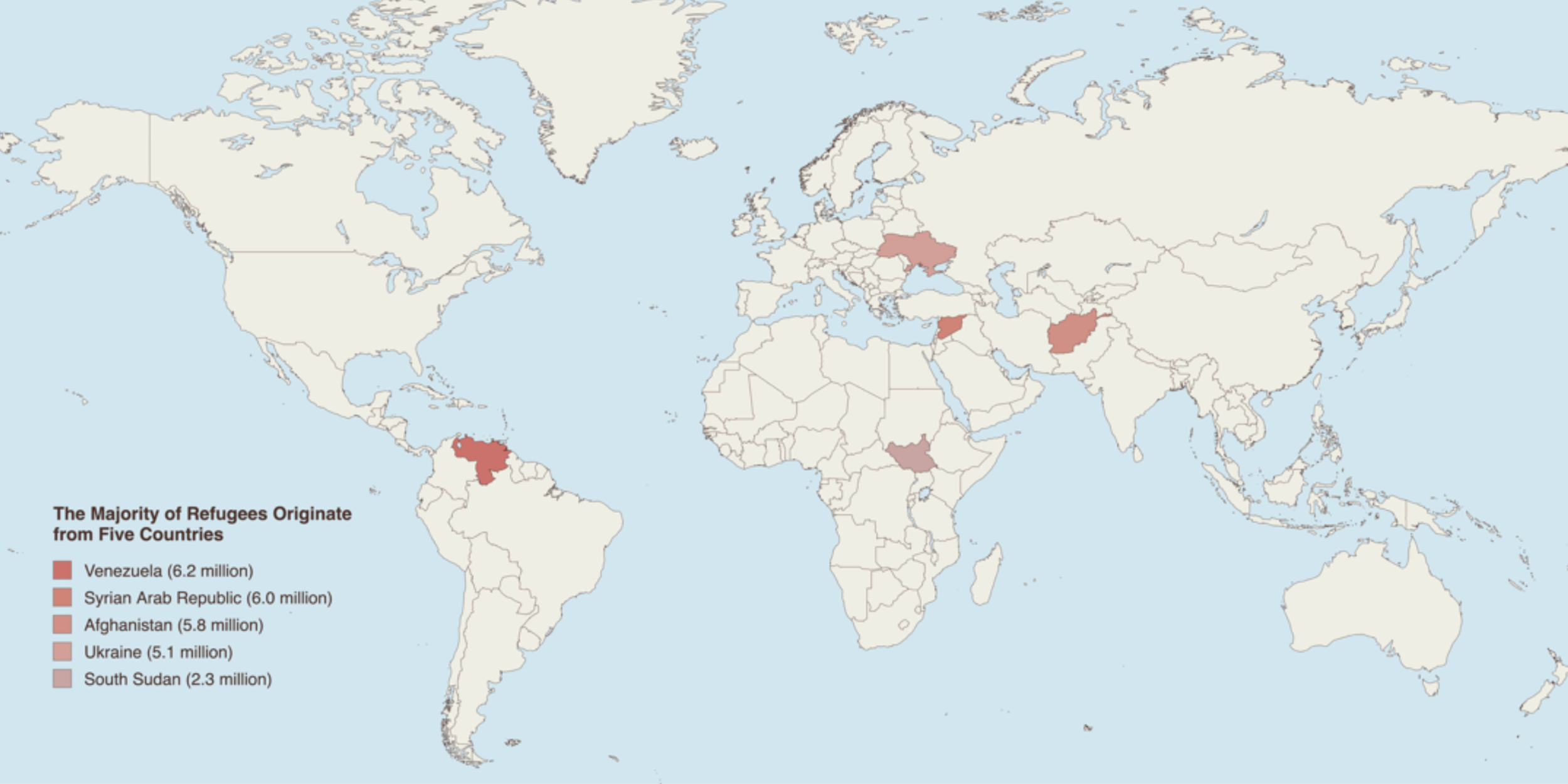
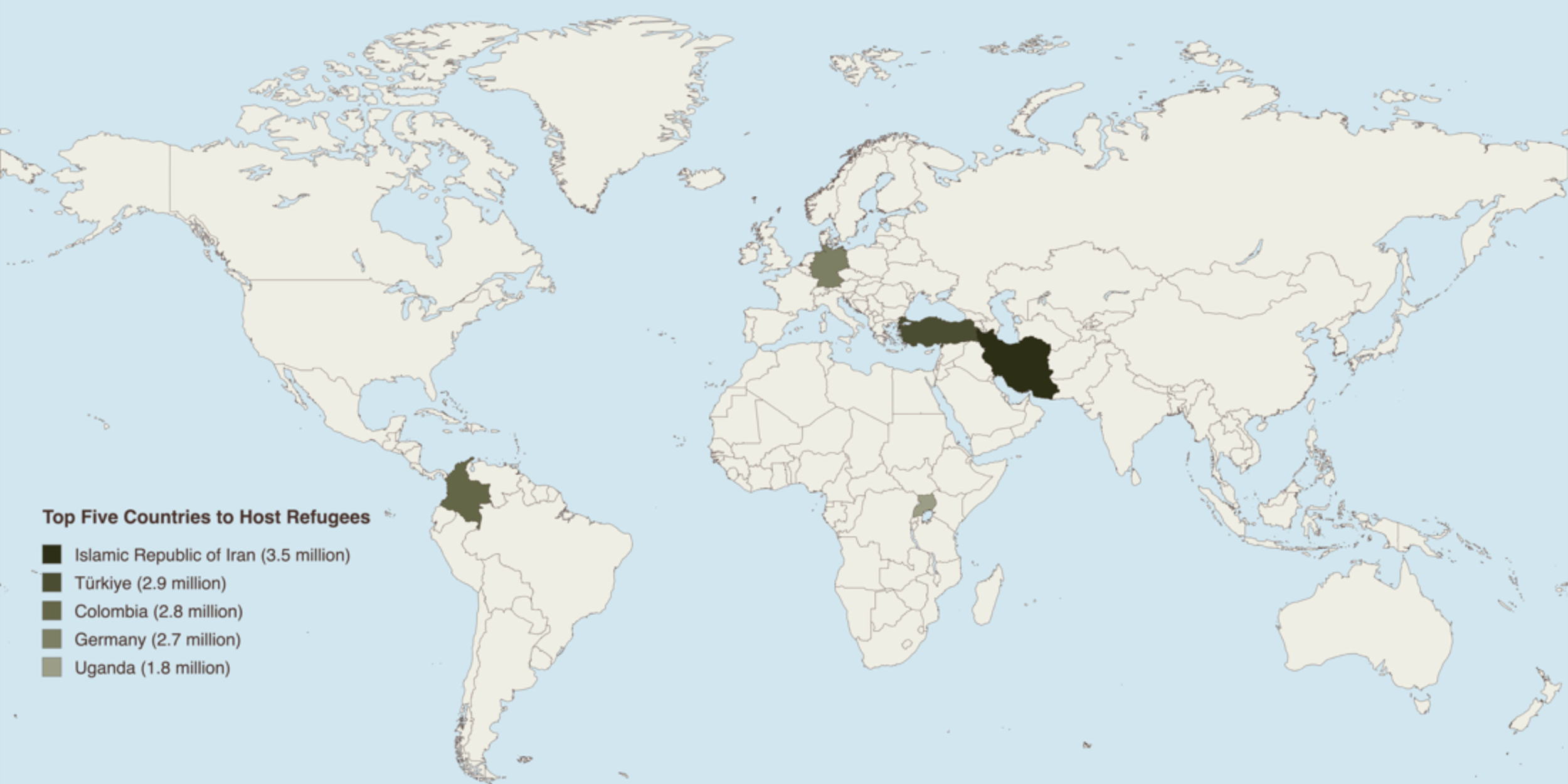
Who are refugees?
A refugee’s journey
Refugees in the US
Before ever arriving on US soil, refugees complete a lengthy screening process, including interviews, medical tests, and cultural orientations. This process can take years before a refugee ever sets foot on US soil.

The Resettlement Process
UNHCR Identification and Referral
Resettlement Support Center Interview
Department of Homeland Security/US Citizenship and Immigration Services Interview
Additional Screenings
Cultural Orientation
Assurances and Travel Arrangements
Arrival
Upon Arrival

The same law applies both to the native-born and to the foreigner residing among you.
- Exodus 12:49
Tell Me a Story
“...but it’s not Afghanistan where I was born.”
- Mohammed, from Afghanistan
Much of the rhetoric surrounding refugees reinforces inaccurate characterizations. Watch this short video to learn more.
Myths about Refugees


Myths about refugees
Much of the rhetoric surrounding refugees reinforces inaccurate characterizations. Watch this short video to learn more.
Tell Me a Story
“We are not giving up on our dreams.”
- Waka, from South Sudan

More than refugees
In addition to refugees, there are many other classifications for displaced people within the US, such as: Asylum Seekers, TPS Recipients, and Humanitarian Parolees.
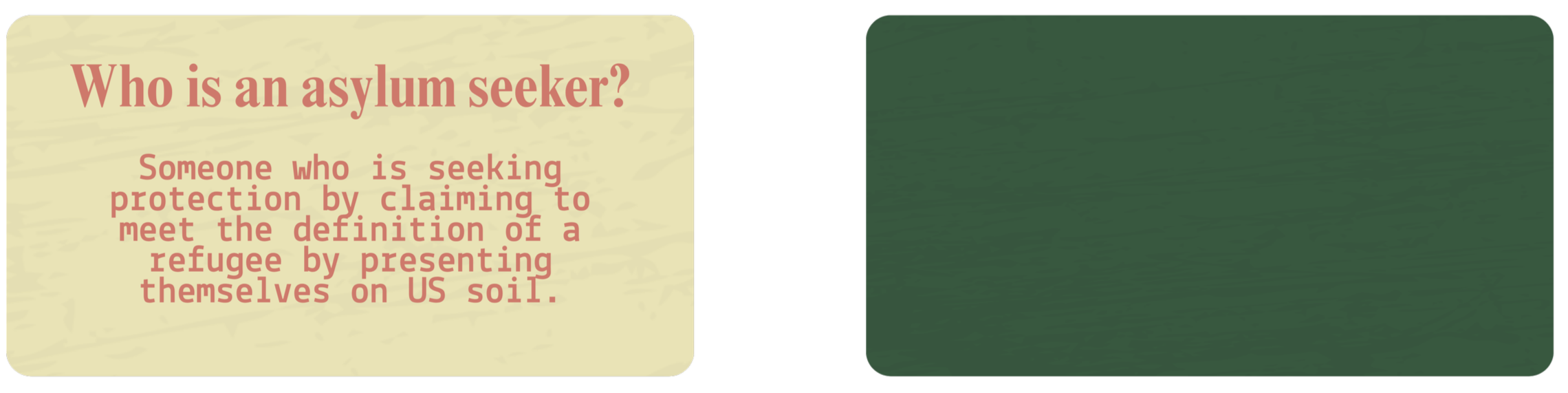
Who is an asylum seeker?
Someone who is seeking protection by claiming to meet the definition of a refugee by presenting themselves on US soil.
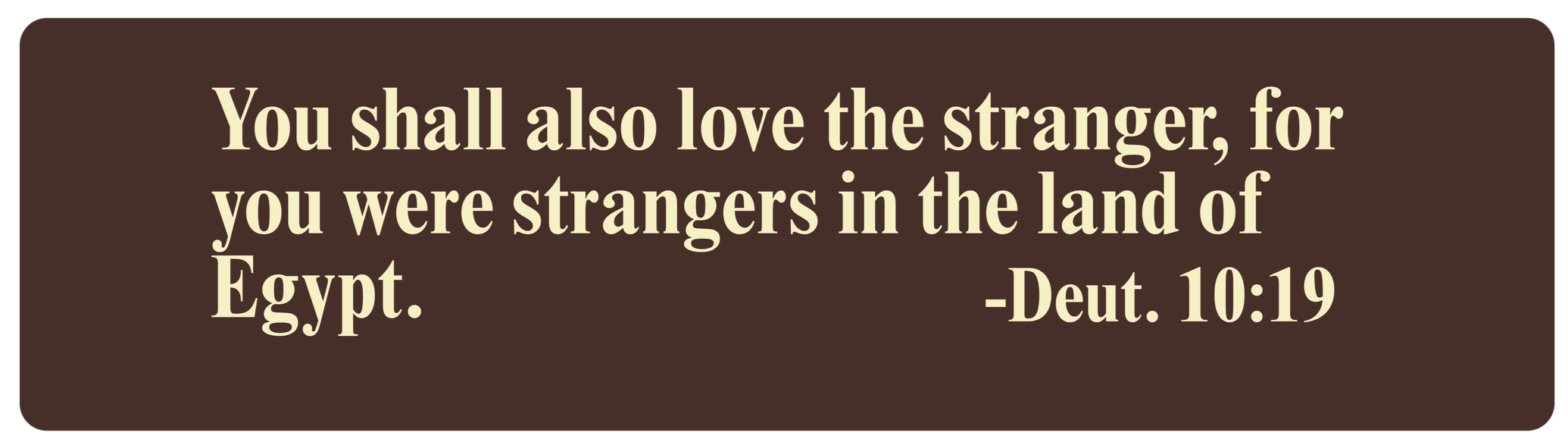
Do not mistreat or oppress a foreigner, for you were foreigners in Egypt.
- Exodus 22:21
“I hope my son will go to school here…And if I can study too, I will. It’s never too late.”
-Ramona, from Cuba


To seek asylum, you must be physically present in the US. You may apply for asylum regardless of how you arrived in the US or your current immigration status.

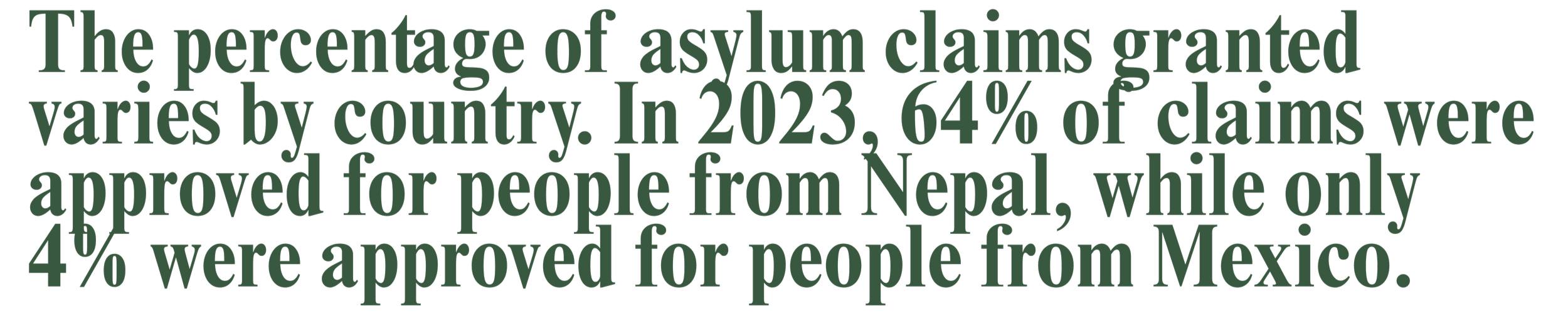
The percentage of asylum claims granted varies by country. In 2023, 64% of claims were approved for people from Nepal, while only 4% were approved for people from Mexico.
Source: US Department of Justice
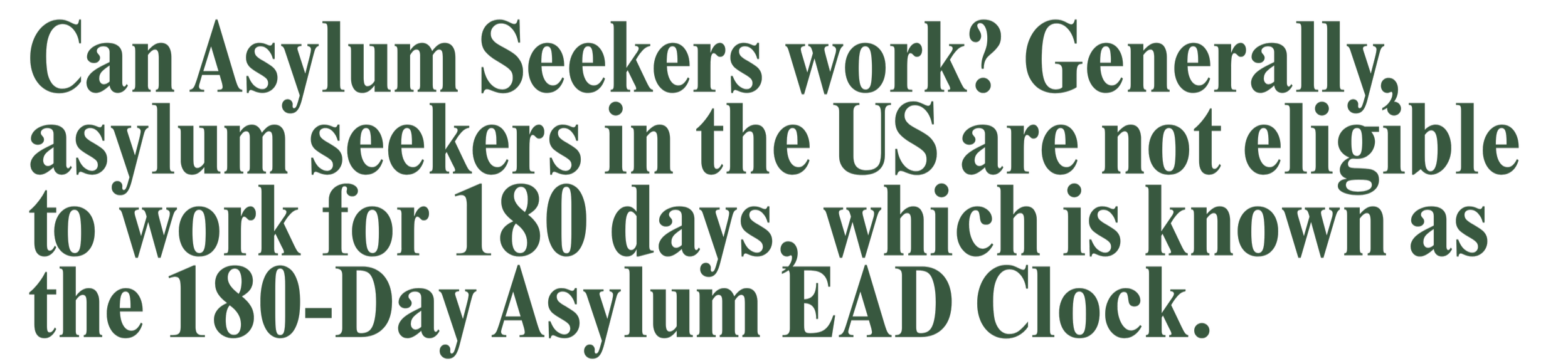
Can asylum seekers work? Generally, asylum seekers in the US are not eligible to work for 180 days, which is known as the 180-Day Asylum EAD Clock.
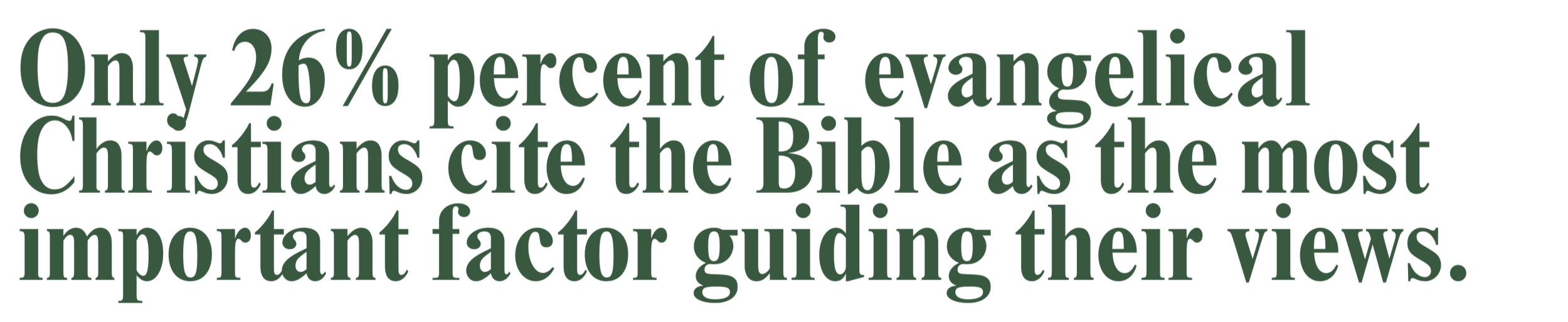
Only 26% percent of evangelical Christians cite the Bible as the most important factor guiding their views.

Tell Me a Story
“I saw the presence of God in every single step of my journey - all the way. I felt the presence of God when I was escaping from Afghanistan…The same thing in the Panama Jungle…We just prayed and God saved us.”
- Yousif, from Afghanistan
Can asylum seekers work? Generally, asylum seekers in the US are not eligible to work for 180 days, which is known as the 180-Day Asylum EAD Clock.
The percentage of asylum claims granted varies by country. In 2023, 64% of claims were approved for people from Nepal, while only 4% were approved for people from Mexico.
Only 26% percent of evangelical Christians cite the Bible as the most important factor guiding their views on immigration.
Source: Lifeway Research, 2024

Who are unaccompanied minors?
49 million refugees are children. That’s 40% of all refugees. These are a few of their stories.
“I miss my friends, my teachers, my toys and even my photos, which I could not bring with me. It hurts knowing that I left the place in which I grew up and I had so many memories…”
- Osama, from Syria
“I studied in the daytime and listened to bombs at night.”
- Azhar, from Syria
“I’ve had a cold and cough for several days. I’ve not seen a doctor, and I have not been given any medicine.”
- 5 years old, from Honduras
“There are no workers inside to take care of us, so the kids try to take care of one another.”
- 11 years old, from Ecuador
“All detainees had no access to hand washing during their entire time in custody, including no hand washing available after bathroom use.”
- An Immigration
Lawyer, in Texas
Internal Displacement
Internal displacement refers to people who have fled within the bounds of their own country due to natural disaster, violence, political decision, or religious persecution.
The community is to have the same rules for you and for the foreigner residing among you; this is a lasting ordinance for the generations to come. You and the foreigner shall be the same before the LORD: The same laws and regulations will apply both to you and to the foreigner residing among you.
- Numbers 15:15-16

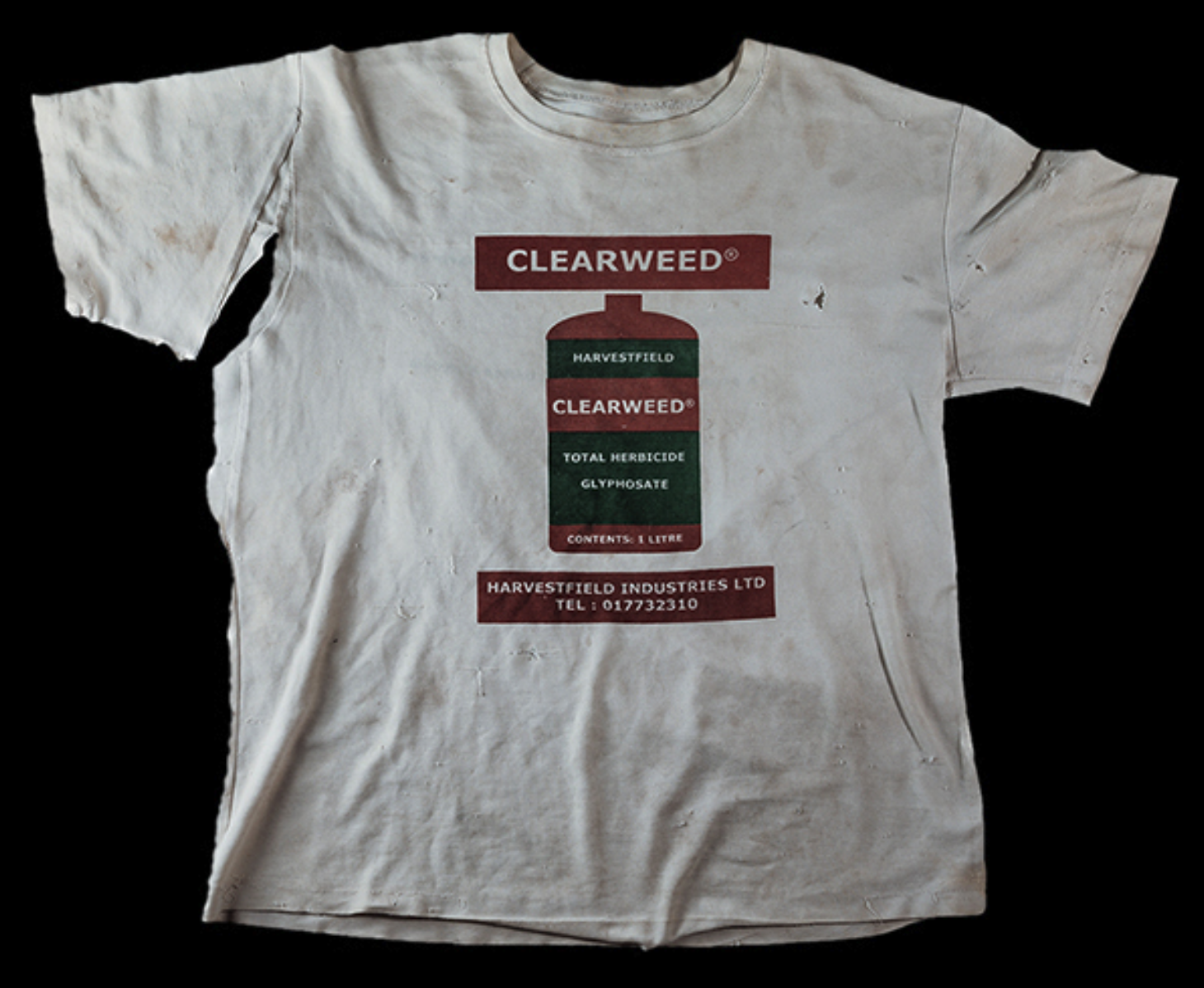
The items that displaced people carry with them when they have to leave their homes often become physical representations of a world that has since disappeared. The following are some of those items.
- Source for all below: Holding On, An Immersive Experience of Internal Displacement
“This t-shirt kept me safer. When I pick it up today, I remember the difficulties I faced, and tears fall from my eyes.”
- Hannatu, from Nigeria
“One by one, the achievements of a lifetime, all of it was gone. This camera was supposed to be the last thing to go but I couldn’t bring myself to sell it.”
- Moafaq, from Iraq

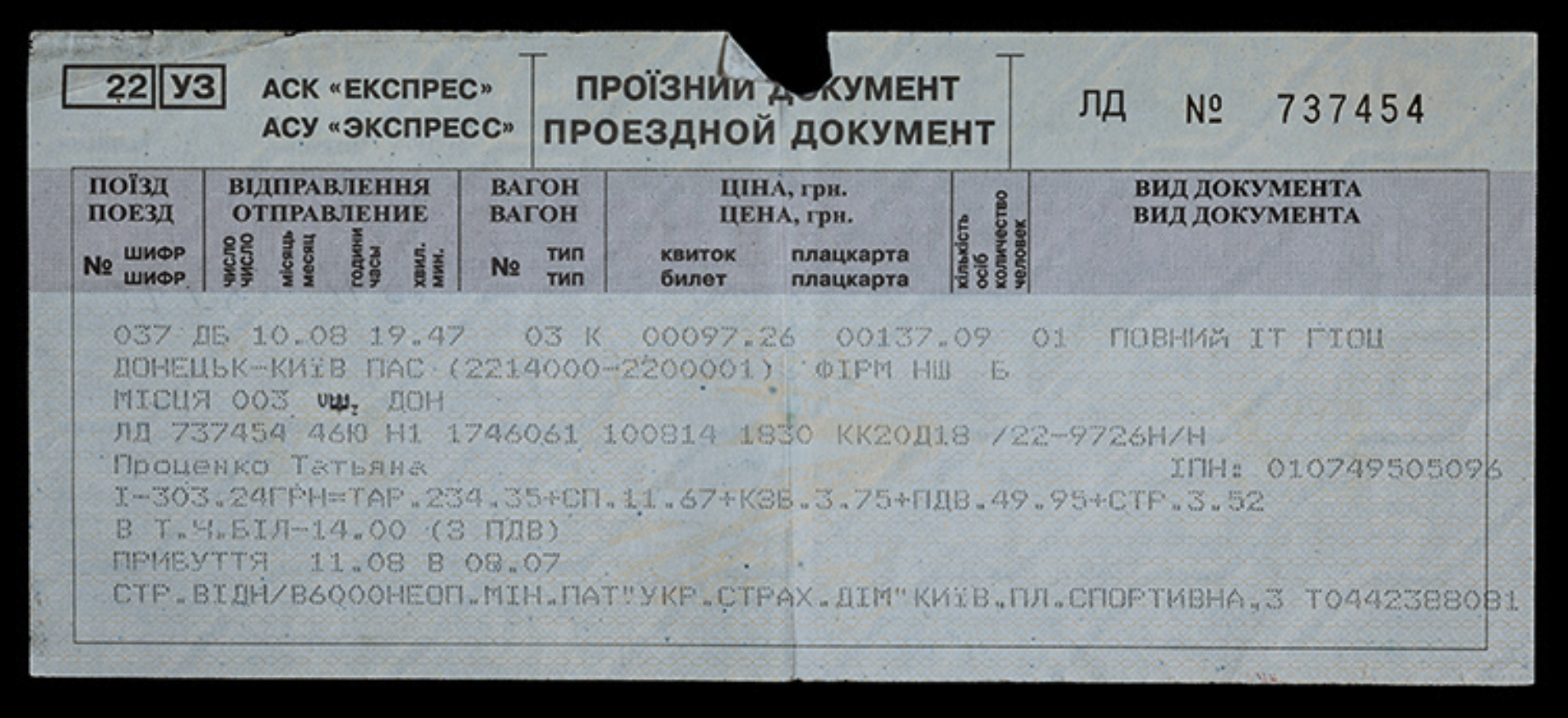
“I keep the ticket in order not to forget anything, in order to remember what we went through and cherish everything we have now.”
- Tatiana, from Ukraine
"Finding his trophy really brought back some memories of my son and I. He worked really hard for that trophy. He was always training. He always made me proud."
- Maurice, from Bahamas

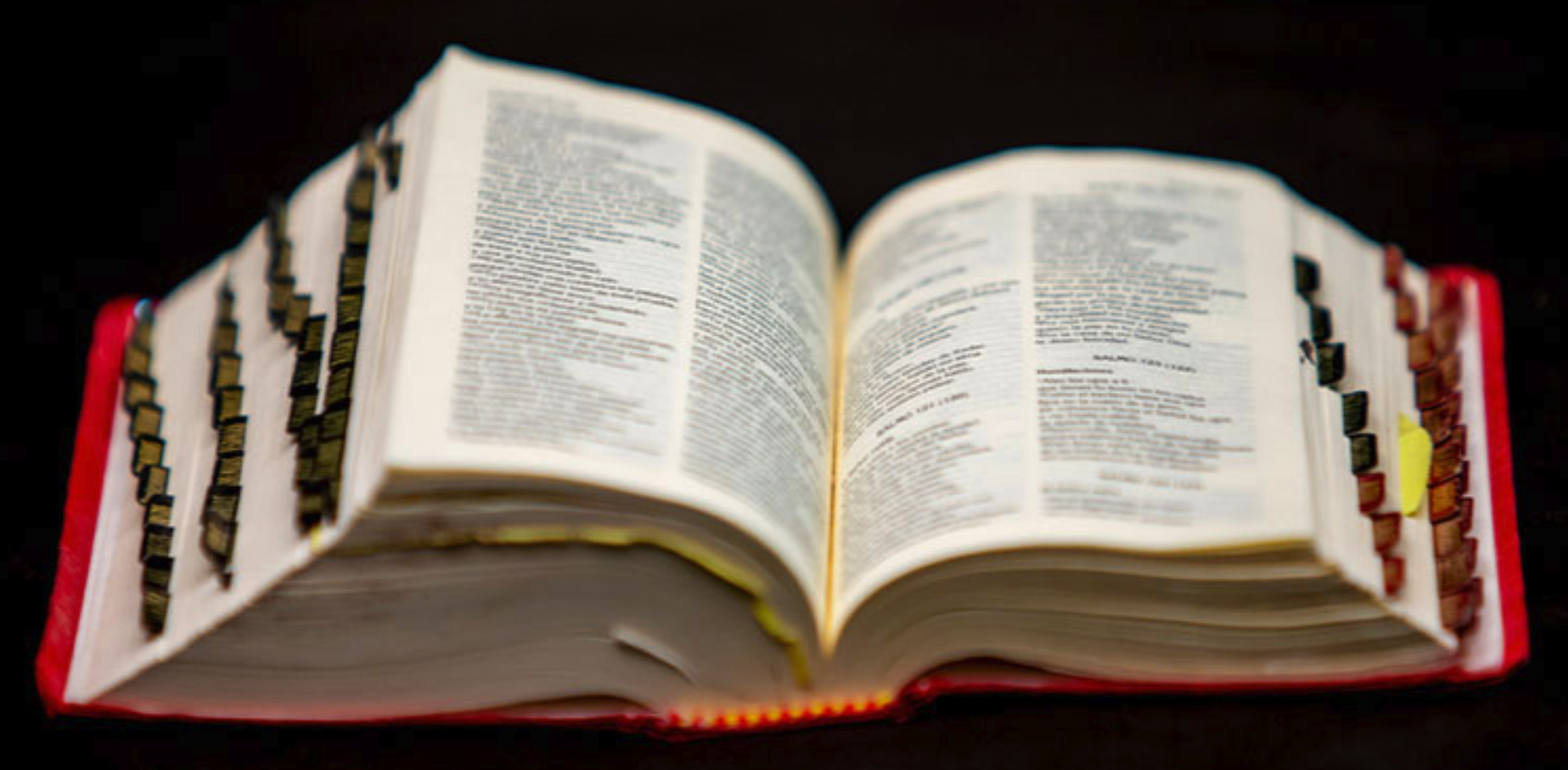
"For me, what helped me the most during this time in my life was spirituality, having God close to me.”
- Maria, from Mexico
“I think for some time the cow was associated with stability, harmony and self-reliance we had before displacement.”
- Vlada, from Ukraine

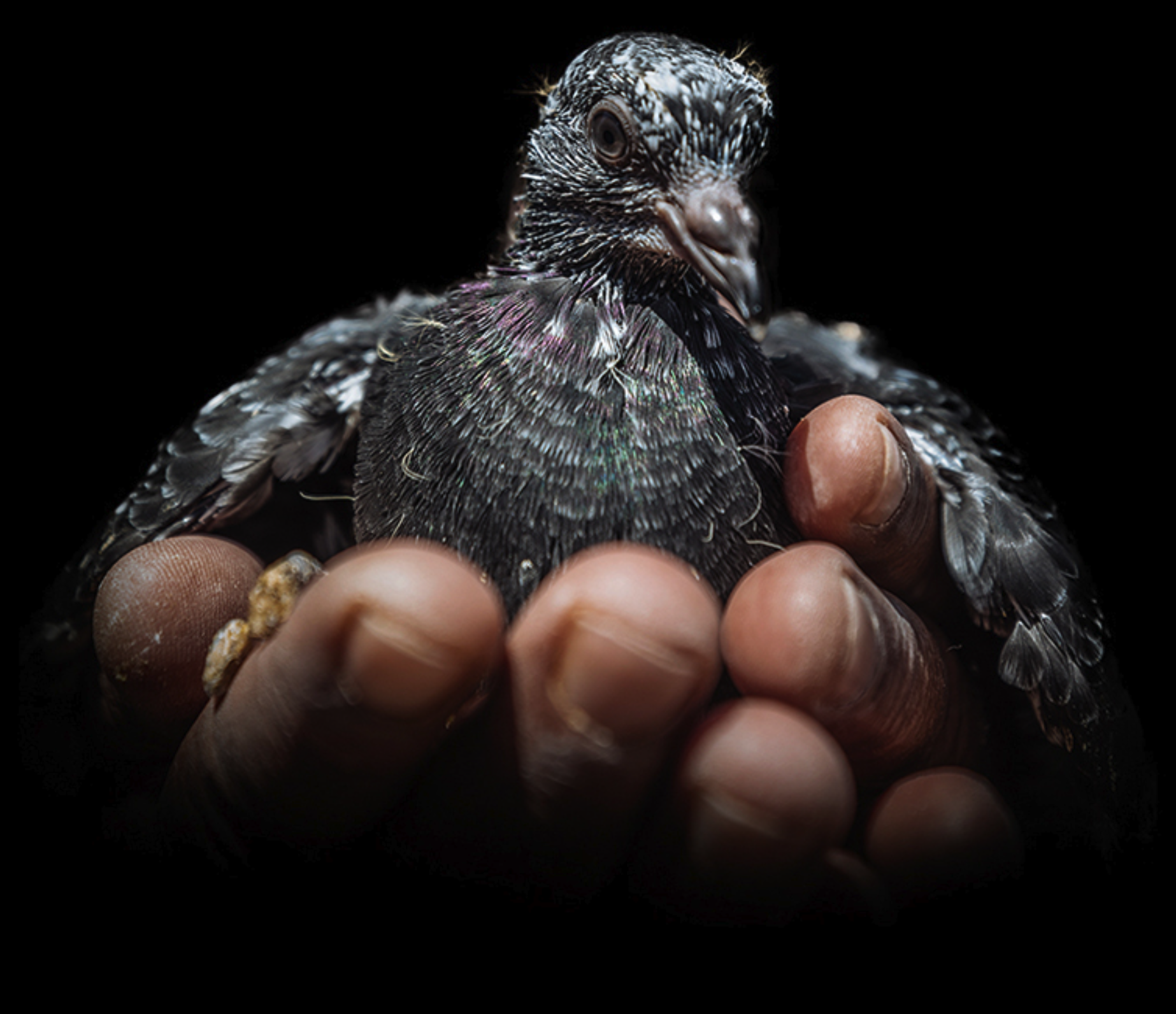
“These birds remind me of everything I held dear in life.”
- Abu, from Iraq
When a foreigner resides among you in your land, do not mistreat them. The foreigner residing among you must be treated as your native-born. Love them as yourself, for you were foreigners in Egypt. I am the LORD your God
- Lev. 19:33-34
Locally Displaced
Have you ever considered that people without homes can also be displaced? Forced relocation is a regular occurrence for those in unsheltered communities.
“You can see me working so many places, but the money is not enough to get an apartment.
- Smiley, from Los Angeles
“You bloom every day.”
- Rufus, from Los Angeles
“I’m not ashamed of what I went through or my suffering…it made me more patient, understanding, and everything.”
- Arien, from Los Angeles
What if You Knew the Truth?
Often times we see someone or something different, and we form an opinion. That opinion is formed internally, but how we deal with our emotions alters the flow of the external world. Much like seeing a homeless person in the streets of downtown. Feelings of discomfort, pity, anger, even humor arise. A stereotype may arise. You may see them as addicts, lazy, or unmotivated.
But what if you knew the truth?
What would you do if you knew that the old woman on the corner with a cup grew up sustaining the neglect of a mother who shot heroin, and the father who stole her innocence every night? She snuck into her parent’s liquor cabinet just to feel in control and to escape reality. Always judged - never asked genuinely, “Are you okay?” Never seen by someone who’ll see through the lie - she’s only trying to hide the pain she’s invalidated for too long.
You don’t see the perspective of others because our vision is clouded - the bills need to be paid, kids fed and clothed. To worry about those who are lost, we risk losing ourselves. In order to change, we must evaluate the root cause of oppression - but first, we need to observe human kindness.
- Zackaryanna, from Wilmington
He has shown you, O mortal, what is good. And what does the LORD require of you? To act justly and to love mercy, and to walk humbly with your God.
- Micah 6:8
So what now?
To help you discern how you can continue to see the unseen, we encourage you to consider the following as next steps.
Learn Together
Gather some friends and read “The Simplest Way to Change the World”
Visit our cafe to discover additional books and podcast recommendations
Be a Neighbor
Host a meal with some new neighbors
Shop at a local market specializing in food from another culture
Volunteer with one of our local partners
Pray
For an end to the injustice and poverty that force people to flee their homes
For the safety and guidance of immigrants and the unhoused as they seek a safe haven
For compassion to recognize the humanity and dignity of every person, and to recognize them as neighbors
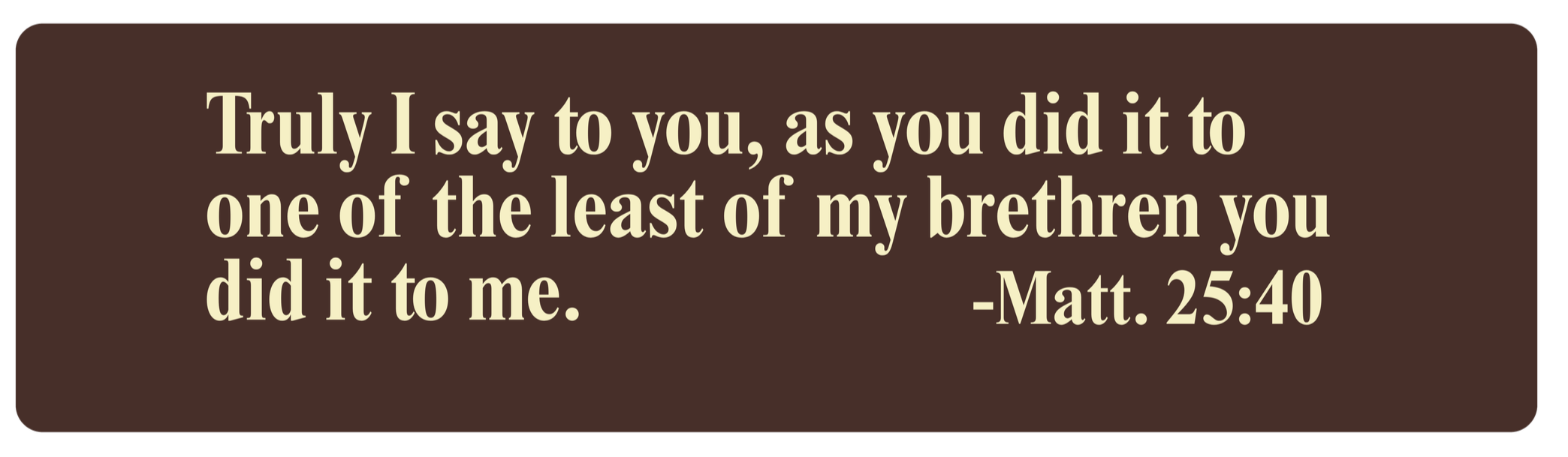
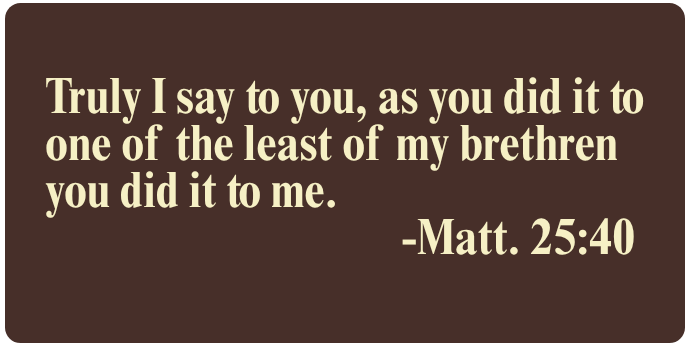
For the community of Christ-followers to love the least of these